
Did you know the average American household spends about $1,400 a year on energy bills? Reducing home energy consumption is good for the planet and your wallet. As a homeowner, you can make a big difference with a few energy-efficient home tips.
By adopting eco-friendly energy-saving ideas into your daily life, you can cut down your energy use. This means getting energy-efficient appliances and changing your daily habits.
Exploring simple ways to make your home more energy-efficient is easier than you think. It’s a step towards a greener future.
Key Takeaways
- Using energy-efficient home tips can lower your utility bills.
- Switching to energy-efficient appliances is key to using less energy.
- Changing your daily habits can greatly reduce energy use.
- Adding eco-friendly energy-saving ideas to your routine is easy.
- Lowering home energy consumption helps the planet.
Identify Your Energy Consumption Patterns
To cut down on energy, it’s key to know where and how you use it at home. By understanding your energy use, you can make informed decisions to lower your bills. This helps the environment too.
Conduct an Energy Audit
An energy audit is a detailed way to find where energy is wasted at home. You can get a pro to do it or do it yourself. Start by looking at your utility bills to see your energy use.
- Check for air leaks around doors and windows.
- Inspect your insulation to ensure it’s adequate.
- Look for energy-efficient opportunities with your lighting and appliances.
Monitor Seasonal Usage
Watching your energy use in different seasons helps you see how it changes. This lets you adjust your saving plans. For example, you might use more energy for heating in winter and cooling in summer.
| Season | Primary Energy Use | Saving Tips |
|---|---|---|
| Winter | Heating | Use programmable thermostats, insulate your home. |
| Summer | Cooling | Use ceiling fans, keep your home shaded. |
| Spring/Fall | Variable | Adjust your thermostat, use natural ventilation. |
By using these home energy conservation strategies, you’ll use less energy. You’ll also follow sustainable living tips that help the planet. Start making your home more energy-efficient today.
Upgrade to Energy-Efficient Appliances
Energy-efficient appliances are key to a green home. They help you save money and the planet. By picking appliances that use less energy, you cut down on your environmental impact and lower your bills.
Explore Energy Star Products
When you’re looking for new appliances, check for the Energy Star label. These products meet high energy standards set by the U.S. Environmental Protection Agency. They use less energy without losing performance. Some examples include:
- Refrigerators and freezers
- Washing machines and dryers
- Dishwashers
- Air conditioners and heaters
Benefits of Energy Star Appliances:
- They use less energy
- They cut down on utility bills
- They’re good for the environment
Assess the Cost vs. Savings
Energy-efficient appliances might cost more upfront. But they save you money in the long run. To figure out the cost vs. savings, think about:
- The energy use of the new appliance compared to your old one
- The cost of the new appliance and any rebates or incentives
- The appliance’s lifespan and any maintenance costs
For example, switching to an Energy Star certified fridge can save you up to $200 a year. Over time, this can lead to big savings.
Upgrading to energy-efficient appliances makes your home more comfortable. It also cuts down on energy use and saves you money. It’s good for you and the planet.
Optimize Heating and Cooling Systems
One of the best ways to cut down on utility bills is to make your heating and cooling systems work better. These systems use a lot of energy, so even small changes can save a lot.
Regular Maintenance Tips
Keeping your heating and cooling systems in good shape is essential. This means changing filters often, cleaning ducts, and getting professional checks every year. Doing this can reduce electricity usage at home and make your systems last longer.
- Change filters every 1-3 months, depending on usage and manufacturer recommendations.
- Clean ducts and vents to improve airflow and reduce strain on your systems.
- Schedule annual maintenance with a professional to identify and fix any issues early.
Seal Air Leaks in Your Home
Sealing air leaks in your home is also very important. These leaks let heated or cooled air escape, making your systems work harder and use more energy. Sealing these leaks can lower utility bills with energy conservation and make your home more cozy.
Windows, doors, and ductwork are common places for air leaks. Use caulk or weatherstripping to close gaps and keep your home well-insulated. This simple action can greatly reduce your energy use and improve your comfort.
By following these tips, you can make your home more energy-efficient. This will help you use less electricity and save money on your bills.
Implement Smart Home Technology
Smart home technology is full of eco-friendly ideas for living sustainably. By adding smart devices to my home, I cut down on energy waste. This makes my home more efficient.
Smart thermostats are a key part of smart home tech. They learn my temperature likes and adjust it for me. This keeps my home comfy while saving energy.
Utilize Smart Thermostats
Smart thermostats work hard to save energy. They can lower the heat when I’m out or asleep. The Enercare blog says they save energy by adjusting to my schedule.
Let’s compare old thermostats to smart ones:
| Features | Traditional Thermostats | Smart Thermostats |
|---|---|---|
| Learning Capability | No | Yes |
| Remote Control | No | Yes |
| Energy Reports | No | Yes |
Control Appliances Remotely
Smart tech also lets me control appliances from my phone. I can turn things off when I’m not using them. This saves energy and makes my appliances last longer.
“The future of energy efficiency lies in smart home technology, which empowers homeowners to make informed decisions about their energy usage.” – Energy Expert
Here’s a list of smart devices I can control from my phone:
- Lighting systems
- Heating and cooling systems
- Home entertainment systems
- Security cameras
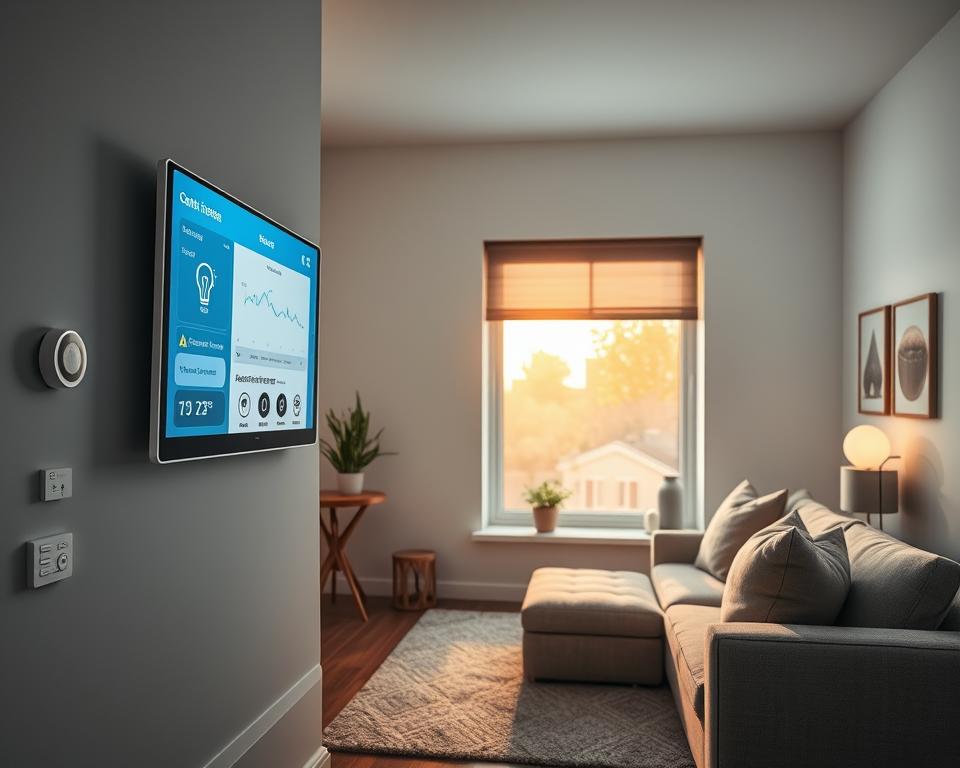
Smart home tech makes my home more energy-smart, easy to use, and green. It’s a big step towards a greener lifestyle that’s good for my home and the planet.
Emphasize Natural Lighting
Using natural light in your home is easy and helps save energy. It lets you use less artificial light, which lowers your bills.
Maximizing natural light saves energy and makes your home feel better. Experts say, “Natural light can make a room feel larger and more welcoming.”
“The use of natural light can significantly reduce the need for electric lighting during the day.”
Maximize Daylight Access
To get more daylight, keep your windows clear. Open curtains and blinds to let light in. Move your furniture so it doesn’t block sunlight.
Use Light-Colored Decor
Light-colored decor helps spread natural light around your home. Paint walls light colors and use light furniture and curtains. This makes your home brighter and more welcoming.
These steps help make your home brighter and more energy-efficient. They’re part of green home energy solutions to reduce your environmental impact.
Reduce Water Heating Costs
Making small changes to your water heating habits can save a lot of energy. Water heating is a big part of your home’s energy use. But, there are smart ways to cut down on this cost.
Insulate Water Heaters
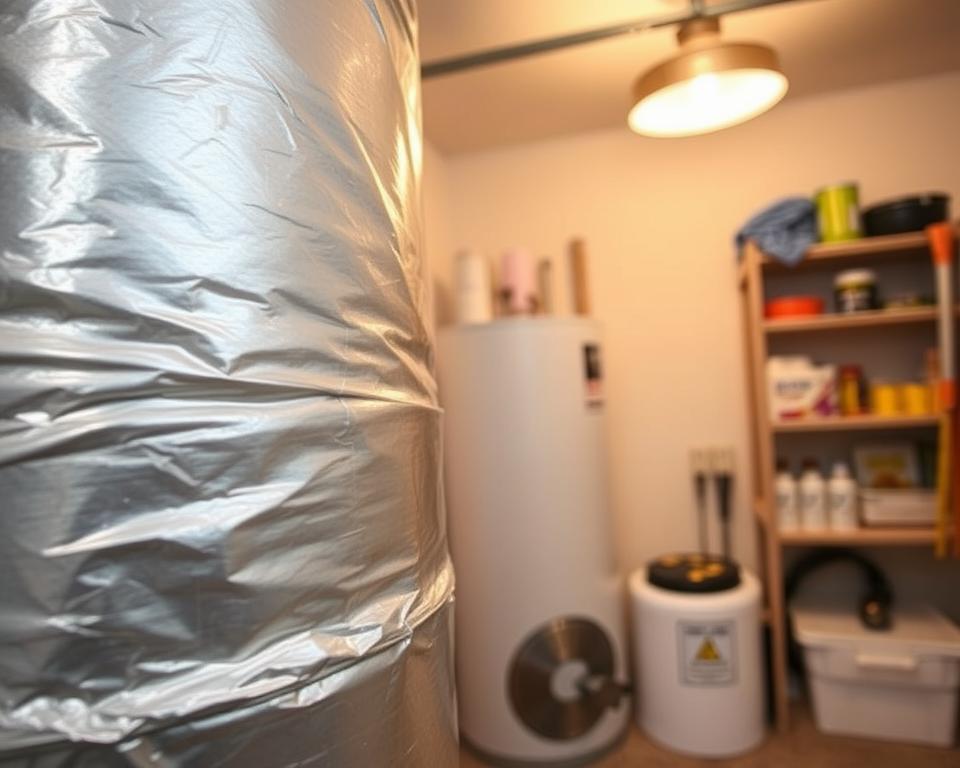
Wrapping your water heater in insulation is a smart move. It helps prevent heat loss and saves energy. This makes your water heater work better and lowers your bills.
Here are some benefits of insulating your water heater:
- Reduces heat loss, saving you money on energy bills
- Helps the water heater work more efficiently
- Can extend the lifespan of your water heater
Use Cold Water for Laundry
Switching to cold water for laundry is another easy way to save. Most of your laundry energy goes to heating the water. Using cold water cuts down your energy use a lot.
| Activity | Hot Water | Cold Water |
|---|---|---|
| Laundry | High Energy Consumption | Low Energy Consumption |
| Energy Savings | 0% | Up to 90% savings |
By using these tips, you can lower your utility bills and help save energy. It’s an easy way to make your home more energy-smart and save money too.
Switch to LED Lighting
Switching to LED lighting is a great eco-friendly idea. LED bulbs use much less energy than old bulbs and last way longer. They can last up to 25 times longer than incandescent bulbs.
LED lighting cuts down on energy use and saves money over time. Let’s look at the benefits.
Lifespan and Cost Comparison
When thinking about LED lighting, compare their lifespan and cost to old bulbs.
| Type of Bulb | Lifespan (Hours) | Cost per Bulb | Annual Energy Cost |
|---|---|---|---|
| Incandescent | 1,000 | $1.00 | $4.80 |
| LED | 25,000 | $2.50 | $0.60 |
The table shows LED bulbs cost more upfront but save money in the long run. They last much longer and use less energy.
Discounts and Rebates
Many utility companies give discounts and rebates for LED lighting. These deals can help lower the cost of buying LED bulbs.
To find discounts, check with your local utility company or their website. Some offer special promotions for energy-saving upgrades.
Switching to LED lighting means lower energy bills and a greener home. It’s a simple way to make your home more energy-efficient.
Use Power Strips to Reduce Phantom Loads
Using power strips is a simple way to cut down on energy use at home. It not only saves energy but also helps the environment. By tackling phantom loads, homeowners can greatly reduce their energy use.
What Are Phantom Loads?
Phantom loads are the energy used by appliances when they’re turned off but plugged in. Things like TVs, computers, and chargers use power even when idle. This can raise your energy bills a lot.
A study by the National Resources Defense Council shows that stopping standby power can save up to $100 a year. This shows how much you can save by dealing with phantom loads.
Smart Power Strips vs. Regular Strips
There are two kinds of power strips: regular and smart. Regular strips let you turn off many devices at once, cutting down on phantom loads. Smart strips automatically turn off unused devices, making it even easier.
When picking between regular and smart strips, think about what you need. Regular strips work well for devices used together often. But if you want something more hands-off, smart strips are better. Experts say smart strips make managing phantom loads easier.
Adding power strips to your daily routine can help a lot with energy use. It’s a simple yet powerful way to live more sustainably. This tip is easy for anyone to follow.
Adjust Thermostat Settings
Changing your thermostat settings can cut down your energy use and lower bills. As a homeowner, this easy change can make a big difference in saving energy.
Optimal Settings for Different Seasons
Changing your thermostat with the seasons is key for saving energy. In winter, keep it at 68°F (20°C) when you’re home. Lower it by 10-15 degrees when you’re asleep or out.
In summer, aim for 78°F (25°C) or higher to save on cooling costs. These settings are a good start for most homes. They help you save money and live more sustainably.
Tips for Away from Home
Adjusting your thermostat when you’re out can save a lot. Think about getting a smart thermostat. It can change the temperature based on your schedule.
For long trips, like vacations, set it even lower. This saves energy and keeps your home safe from extreme temperatures.
By making these simple changes, you can make your home more energy-efficient. And you’ll help create a greener future.
Embrace Sustainable Practices
My journey to cut down home energy use is ongoing. I focus on sustainable practices now. Using green home energy solutions helps me use less non-renewable energy. This is good for the planet and saves a lot of energy.
Renewable energy is key to sustainable living. Solar energy is a top choice. It’s clean and endless. Homeowners can make their own electricity with solar panels, cutting down on grid use.
Utilize Solar Energy
Using solar energy starts with checking your home’s solar readiness. You need to look at your roof’s direction, shade, and strength. A pro can tell you the best solar setup for your home.
“The future of energy is bright, and it’s shining with solar power,” say experts. Solar is getting cheaper, making it a good choice for many.
Explore Wind Options
Wind energy is another way to make your home greener. If you have land and wind, a wind turbine can be a big energy source. You must check if wind energy works for your home first.
Using solar and wind energy makes your home better for the planet and saves energy. As we aim for a greener future, these upgrades will grow more vital.
Educate Your Family on Energy Savings
Creating a more energy-efficient home is a team effort. By teaching your family simple ways to save energy, you can cut down on your household’s energy use.
Developing Good Habits
Small habits like turning off lights and electronics when not in use can make a big difference. Encourage your family to use power strips to cut down on standby power use.
Creating a Plan
Make a plan with your family to save energy. Find areas to improve, set achievable goals, and track your progress. This team effort will not only lower your energy bills but also promote sustainability at home.
Together, you can make your living space more sustainable. This helps in creating a greener, more energy-efficient future.