

I found out making natural air fresheners at home is easy and fun. By mixing essential oils with water, you can make your home smell great. This way, you avoid harsh chemicals.
Using eco-friendly air fresheners lets you pick your home’s scent. This simple DIY project helps you skip commercial air fresheners. They often have artificial fragrances and dyes.
Key Takeaways
- Create natural air fresheners at home using essential oils and water.
- Avoid harsh chemicals found in commercial air fresheners.
- Customize the scent of your home to your liking.
- It’s an easy and fun DIY project.
- Use eco-friendly ingredients for a healthier home.
Introduction to Homemade Air Fresheners
Homemade air fresheners are a natural and customizable way to make your home smell nice. You can mix essential oils with water to create different scents. This lets you choose the smell that matches your mood and taste.
One big plus of making your own air fresheners is avoiding harsh chemicals. Essential oils provide a natural fragrance that smells great and might even be good for your health.
Why Choose Homemade Options?
Homemade air fresheners let you control what goes into them. This means your home can smell nice without harmful chemicals. You can also pick scents that you like, making your home smell unique.
If you want to try new recipes, there are many online guides. For example, DIY air freshener guides offer step-by-step instructions and creative ideas.
Benefits of Using Essential Oils
Essential oils are not just for their smell. They also have health benefits. Lavender oil, for example, can help you relax. Citrus oils like lemon and orange can make you feel more awake and energized.
Using essential oils in your air fresheners can make your home feel better. You can mix different oils to find the perfect scent for your space.
| Essential Oil | Benefit | Common Use |
|---|---|---|
| Lavender | Calming, Relaxing | Bedrooms, Bathrooms |
| Lemon | Uplifting, Refreshing | Living Rooms, Kitchens |
| Eucalyptus | Decongestant, Invigorating | Home Offices, Gyms |
Learning about different essential oils can help you make air fresheners that are both effective and pleasant. This way, you can make your home smell great and feel better.
Understanding Essential Oils
To make the most out of your homemade air fresheners, it’s key to know about essential oils. These are strong plant extracts that give a natural scent and have many benefits. They are used in the right way.
Popular Essential Oils for Air Fresheners
Lavender is a favorite for its calming effect, while lemon is uplifting and refreshing. Eucalyptus is great for breathing easier, and tea tree oil fights off germs.
Think about the mood you want to set. For a calm vibe, chamomile and bergamot are perfect. For a boost, peppermint and orange work well.
Safety Precautions with Essential Oils
Even though essential oils are natural, they need care. Always mix them with a carrier like water or oil to avoid skin problems. Use 1-3% dilution for most uses.
Watch out for allergies. Do a patch test before using a new oil a lot. Also, keep them out of reach of kids and pets. If you’re unsure, talk to a doctor.
Knowing how to use essential oils safely lets you make air fresheners that make your home better.
Supplies Needed for Homemade Air Fresheners
Before you start making your own air fresheners, it’s important to have the right supplies. Having the right ingredients and tools will make your DIY project fun and successful.
Essential Ingredients
To make homemade air fresheners, you need water and essential oils. Water helps dilute the essential oils safely. Essential oils give the scent. Popular ones include lavender, lemon, and eucalyptus.
Lavender oil is calming, while lemon oil is uplifting. Choose essential oils based on their scent and benefits to match your preferences.
| Essential Oil | Scent Profile | Benefits |
|---|---|---|
| Lavender | Calming, floral | Promotes relaxation, improves sleep |
| Lemon | Uplifting, citrusy | Boosts mood, antibacterial properties |
| Eucalyptus | Invigorating, minty | Decongestant, refreshing |
Optional Tools and Equipment
While basic ingredients are enough, some tools can make things easier. A spray bottle is very useful for spreading the air freshener. A small funnel can also help when filling the bottle.
You might also want decorative labels for your bottles and a measuring cup or pipette. These items are optional but can make the process more fun and efficient.
With these supplies, you can easily make your own easy homemade air freshener or homemade room spray with essential oils. You can choose scents that you like and need.
Basic Recipes for Air Fresheners
With just a few ingredients, you can make your own air fresheners at home. You’ll need essential oils and water. This section will guide you through two simple recipes to get you started.
Simple Water and Oil Mix
The simplest way to make an air freshener is by mixing water with your preferred essential oils. You’ll need a spray bottle, water, and a few drops of your chosen essential oil. Start with a ratio of 10-15 drops of essential oil per 2 cups of water. You can adjust this ratio based on your personal preference for fragrance strength.
To prepare, fill the spray bottle with water, add the essential oil, and shake well to combine. This mixture can be used immediately. It’s a great way to freshen up any room in your home. You can also experiment with different essential oils to create unique scents.
Infused Water Recipe
For a more subtle fragrance, you can try making an infused water air freshener. This involves adding slices of citrus fruits, cucumber, or herbs like mint to a pitcher of water. The infusion process allows the natural oils from these ingredients to seep into the water, creating a refreshing and subtle scent.
To make an infused water air freshener, simply add your chosen ingredients to a pitcher of water and let it infuse in the refrigerator for a few hours. Once infused, you can transfer the mixture to a spray bottle and use it as needed. This method is not only fragrant but also visually appealing, making it a great addition to your home decor.
Both of these recipes offer a simple and effective way to freshen your home with essential oils. They use a water-based air freshener that is easy to make and customize.
Customizing Your Air Fresheners
DIY air fresheners are great because you can make them your own. You can pick scents that make you happy, relax you, or just smell nice. It’s a fun way to get creative.
Blending Different Scents
Blending essential oils lets you make unique smells. For example, lavender and chamomile together can make a calm scent for bedrooms. Or, lemon and orange can make a fresh smell for kitchens.
Start small when mixing scents. You can always change the mix to get the smell right. Keeping track of your blends helps you improve them later.
Adding Natural Ingredients
You can also add natural things to your air fresheners. Fresh citrus or herbs like rosemary can make them smell better and look nice.
Dried flowers or herbs can add beauty and scent. Dried rose petals can make it romantic, while lavender buds can make it calming.
Trying different oils and natural ingredients lets you make unique and eco-friendly air fresheners. It’s a fun DIY project that makes your space smell great without harsh chemicals.
Applications of Air Fresheners
Homemade air fresheners are great for both homes and cars. They offer a healthier choice than chemical-based products. You can customize them to fit your style and needs.
In the Home
Homemade air fresheners are perfect for keeping your home smelling nice. They’re a safer choice than harsh chemicals. You can put them in living rooms, bedrooms, or bathrooms.
Here are some tips for using homemade air fresheners in your home:
- Place a few drops of your favorite essential oil on a cloth or cotton ball and put it in a discreet location.
- Use a spray bottle filled with water and essential oils to freshen up rooms.
- Simmer water with cinnamon sticks, cloves, and citrus slices for a warm, inviting scent.
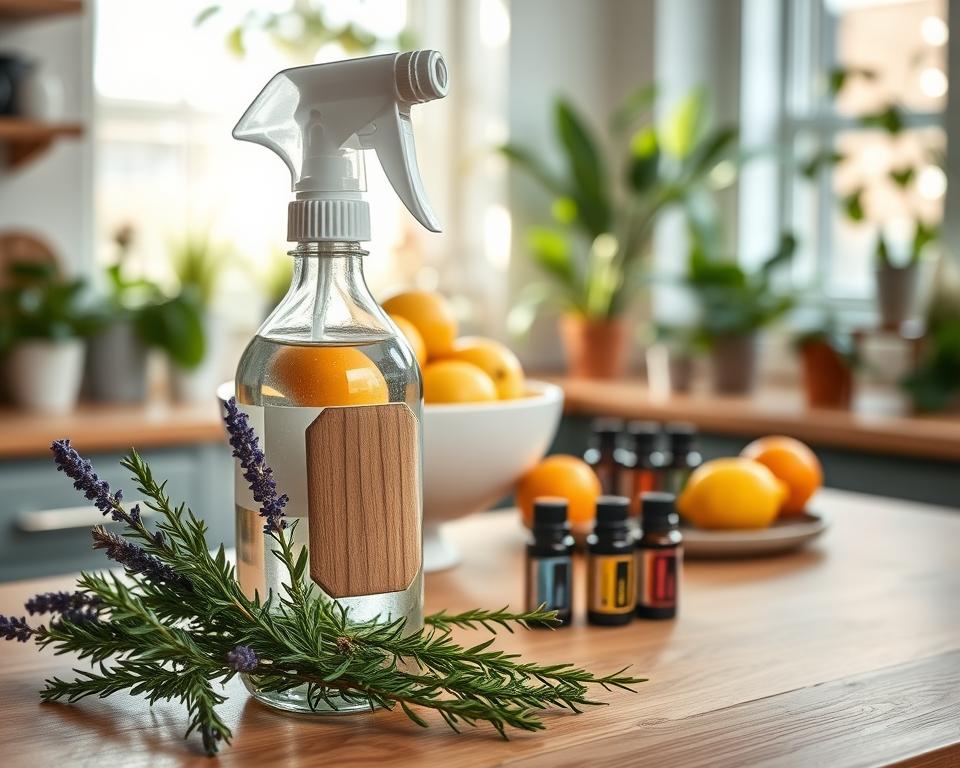
Interior design experts say a nice scent makes a room feel more welcoming. Making your own air fresheners lets you pick scents that match your home’s style.
“A pleasant scent can greatly enhance the ambiance of a room, making it feel more welcoming and comfortable.”
In the Car
Homemade air fresheners can also make your car smell better. You can make a simple one by soaking a cloth in water and essential oils. Then, put it in a muslin bag or a vent clip.
| Essential Oil | Benefit |
|---|---|
| Lavender | Promotes relaxation and reduces stress |
| Peppermint | Invigorates and refreshes |
| Eucalyptus | Decongestant and refreshing |
Using homemade air fresheners in your car makes it fresher and healthier. Just hang the muslin bag from the rearview mirror or attach the vent clip to an air vent.
These easy methods keep your car smelling great without chemical air fresheners. Try different essential oil blends to find your favorite scents.
Storage and Usage Tips
How you store your homemade air fresheners is key. Proper storage keeps the scent fresh and makes your DIY air fresheners last longer.
Finding the Right Containers
Choosing the right containers is important. Glass containers are best because they don’t react with the essential oils. This keeps the scent strong. For a water-based air freshener, a container with a tight lid is needed to stop leaks and evaporation.
Think about the size and material of the container. A big one is good for a room, and a small one for a car or closet. Make sure it’s clean and dry before adding your air freshener.
Best Practices for Scent Longevity
To keep your essential oil air freshener smelling good, keep it away from sunlight and heat. Light and heat can break down the essential oils. Also, don’t let your air fresheners sit in the open air for too long, as this can make the scent fade faster.
Here are some tips to help your air freshener smell better for longer:
- Store your air fresheners in a cool, dark place.
- Use a spray bottle for easier application and to minimize exposure to air.
- Shake the container gently before use to mix the essential oils with the water.
By following these tips, you can enjoy your homemade air fresheners for a longer time. This saves money and keeps your home or car smelling nice.
Troubleshooting Common Issues
Having trouble with your homemade air fresheners? Maybe the scent is too weak or too strong. Simple fixes can help. Try changing the amount of essential oils or the water type.
Weak Scents
Weak scents? Try adding more essential oil drops. But do it slowly to keep the scent balanced.
- Check the quality of your essential oils; older oils may have lost their potency.
- Ensure you’re using the right type of water; distilled water can sometimes dilute the scent.
Overpowering Scents
Too strong? You can fix it by adding more water or using fewer essential oil drops.
| Issue | Solution |
|---|---|
| Weak Scent | Add more essential oil drops gradually. |
| Overpowering Scent | Dilute with more water or reduce essential oil drops. |
Want a better scent? Try mixing different essential oils. It makes the scent stronger and more unique.
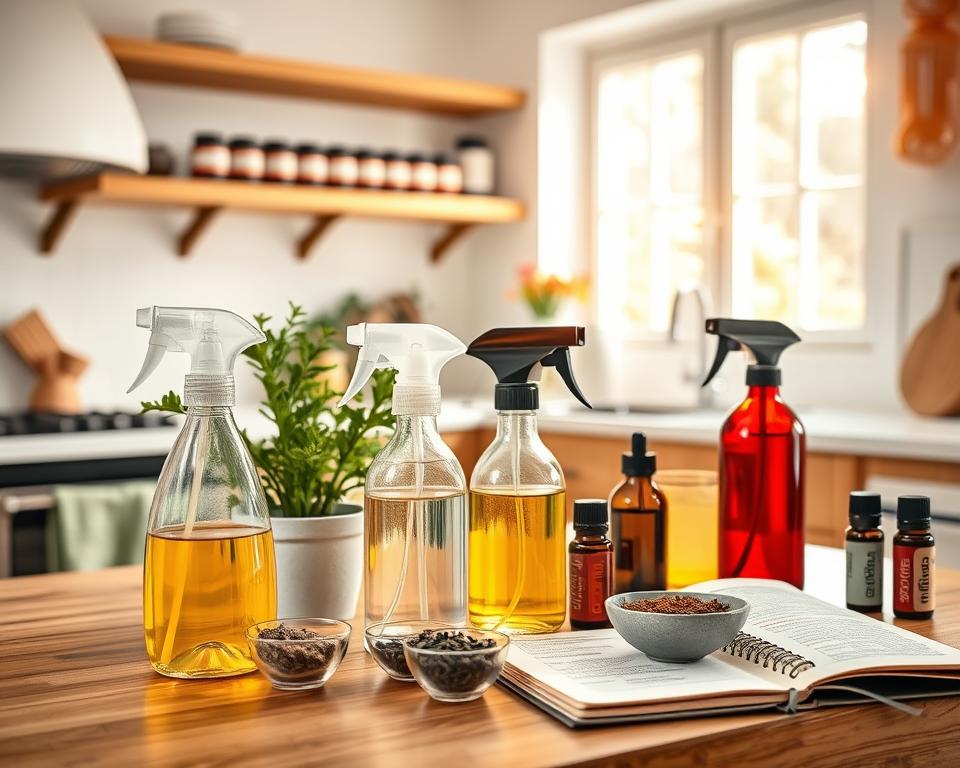
By tweaking these settings, your homemade air fresheners will work better. The secret is finding the perfect balance for you.
Sustainability of Homemade Air Fresheners
Creating our own air fresheners at home is a simple way to live more sustainably. By making a few conscious choices, we can greatly reduce our ecological footprint.
Reducing Waste with Reusable Containers
Using reusable containers is a great way to make our homemade air freshener routine more sustainable. Instead of buying new air fresheners in plastic, we can use containers we already have. Glass jars, bottles, or fabric pouches work well for storing our homemade air fresheners.
This method not only cuts down on waste but also adds a personal touch to our homes. We can decorate the containers to match our home decor or give them as gifts.
Eco-friendly Ingredients
The ingredients we choose for our homemade air fresheners are key to their sustainability. Choosing natural and eco-friendly ingredients makes our air fresheners better for the environment and our health. Essential oils, for example, come from plants and break down easily.
When picking essential oils, look for brands that focus on sustainability and fair trade. Also, using water as a base is another eco-friendly option. Water is abundant and safe for us.
By adopting these sustainable practices, we can enjoy fresh, fragrant homes while helping the planet.
Enhancing Air Quality Beyond Fresheners
Improving indoor air quality is more than just using essential oils. Homemade air fresheners can make your home smell great. But, achieving good air quality requires a broader approach.
Additional Tips for Cleaner Air
To improve your home’s air quality, try these strategies:
- Regularly dust and vacuum to reduce particulate matter in the air.
- Use plants known to purify the air, such as spider plants or peace lilies.
- Avoid strong chemicals or pollutants that can degrade air quality.
- Maintain your HVAC system to ensure it’s not circulating pollutants.
Importance of Ventilation
Proper ventilation is key for good indoor air quality. It helps remove stale air and brings in fresh air. Here are some tips to improve ventilation:
- Open windows regularly, after cooking or using strong cleaning products.
- Use exhaust fans in kitchens and bathrooms to remove moisture and pollutants.
- Consider installing a heat recovery ventilation system for efficient air exchange.
Let’s compare different ventilation methods:
| Method | Effectiveness | Cost |
|---|---|---|
| Opening Windows | High | Low |
| Exhaust Fans | Medium | Moderate |
| Heat Recovery Ventilation | High | High |
By using these strategies and understanding ventilation’s importance, you can greatly improve your home’s air quality. This makes your home healthier and more pleasant.
Conclusion and Final Thoughts
Making homemade air fresheners with essential oils and water is easy and good for the planet. You can follow the recipes and tips to make your own natural air fresheners. These can be tailored to your liking.
Crafting with Creativity
When trying out different air freshener recipes, feel free to mix and match essential oils and ingredients. It’s a fun activity for the whole family. Everyone can add their favorite scents and ideas.
Involving the Family
Turning air freshener making into a family activity is a great way to bond. It’s a fun, collaborative experience for everyone. Plus, you’ll teach the next generation about eco-friendly air fresheners and sustainability.
By going the DIY route, you’ll make your home fresher and healthier. You’ll also live more sustainably. So, get creative, have fun, and start making your own eco-friendly air fresheners today!