

Did you know old toilets can use up to 7 gallons per flush? But a dual-flush system can cut that down to just 0.92 gallons. Upgrading is a simple way to save water and cut down on bills.
As a homeowner, you might want to make your home more eco-friendly. One easy DIY project is to swap out your old toilet for a dual-flush one. It’s good for the planet and can even increase your home’s value. For a detailed guide on installing a toilet, check out this step-by-step guide.
Key Takeaways
- Reduce water usage with a dual-flush system
- Lower your water bills with a more efficient toilet
- Easy DIY project to upgrade your old toilet
- Add value to your home with a modern toilet system
- Help the environment by conserving water
Understanding the Dual-Flush System
When I thought about getting a new toilet, I learned about dual-flush systems. They have two flushing options. You can choose a full flush or a half flush, based on what you need.
What is a Dual-Flush Toilet?
A dual-flush toilet is a eco-friendly toilet modification with water-saving technology. It has two flush options. One is for liquid waste, and the other is for solid waste. This helps save water.
How Does it Work?
The dual-flush system works with a button or handle. It controls how much water is used during flushing. For a half flush, it uses much less water than a regular toilet. This makes it a great retrofitting tip for older toilets.
Benefits of Upgrading to Dual-Flush
Switching to a dual-flush toilet has many benefits. It uses less water and can lower your water bills. Here are some key advantages:
| Benefits | Traditional Toilet | Dual-Flush Toilet |
|---|---|---|
| Water Consumption per Flush | Typically 1.6 gallons | 0.8 gallons (half flush), 1.6 gallons (full flush) |
| Water Bills | Higher due to more water usage | Lower due to reduced water consumption |
| Environmental Impact | Higher water waste | Reduced water waste |
Learning about dual-flush systems helps homeowners choose better, eco-friendly toilets.
Tools and Materials Needed
To make your plumbing upgrade smooth, gather a few key tools and materials. Having everything ready before you start will make the installation easier and less stressful.
Essential Tools for the Installation
Here are the tools you need for installing a dual-flush system:
- Adjustable wrench
- Channel-type pliers
- Teflon tape
- Toilet tank gaskets
- Dual-flush conversion kit
Suggested Dual-Flush Flush Kits
When picking a dual-flush kit, check if it fits your toilet model and is of good quality. Some top choices are:
- Fluidmaster Dual Flush Valve
- Geberit Dual Flush Actuator
- American Standard Dual Flush Converter
Optional Supplies for a Smooth Process
While not essential, these supplies can help:
- Gloves for protecting your hands
- A bucket to catch any water spills
- A towel for drying components
Being ready with the right tools and materials will help you confidently upgrade your bathroom fixtures.
Preparing for Installation
Getting ready is key for a DIY project, like installing a dual-flush toilet. Before starting, make sure your toilet and area are ready. This will help the installation go smoothly and efficiently.
Turning Off the Water Supply
The first thing to do is turn off the water supply. Find the shut-off valve behind your toilet and turn it clockwise. Make sure the water is fully off to prevent leaks or damage.
After shutting off the water, flush the toilet. This drains the tank and bowl. It makes working on the toilet safer and reduces spill risks.
Emptying the Toilet Tank
Next, empty the toilet tank. Use a sponge or wet/dry vacuum to remove water. This creates a dry space for working on the tank’s components.

Cleaning the Toilet Components
Before installing the new system, clean the toilet components. Remove any dirt or mineral deposits from the tank and bowl. Cleaning ensures the new system works well.
Use a gentle cleanser and soft brush for the tank and bowl. Avoid harsh chemicals that could harm the toilet or the new system.
Removing the Old Toilet Parts
Removing the old toilet parts is a key step in the plumbing upgrade process. It ensures a smooth transition to the new dual-flush system. This step is essential for a successful installation and requires careful attention to detail.
Disconnecting the Water Supply Line
The first task is to disconnect the water supply line from the toilet. You’ll need to find the shut-off valve behind the toilet and turn it clockwise to shut off the water supply. After the water supply is off, use a wrench to loosen the nut holding the supply line to the toilet. Be ready for any residual water in the line to spill out.
Detaching the Old Toilet Mechanism
Next, you’ll need to detach the old toilet mechanism. This involves removing the flapper or flush valve and any associated chain or linkage. Be careful not to damage the toilet bowl or surrounding components during this process. The old mechanism may be stuck or corroded, so patience is key.
“The key to a successful upgrade is patience and attention to detail when removing the old components.”
Properly Disposing of Old Components
Once the old toilet parts are removed, it’s essential to dispose of them properly. Check with local recycling centers to see if they accept porcelain or ceramic materials. Some communities have specific guidelines for disposing of such items, so it’s worth checking to ensure you’re following the correct procedures.
| Old Component | Disposal Method |
|---|---|
| Porcelain Toilet Parts | Check with local recycling centers for porcelain recycling programs. |
| Plastic Flush Mechanisms | Dispose of in regular trash or check with local plastic recycling programs. |
| Metal Chains and Linkages | Recycle through metal recycling programs if available. |
By carefully removing the old toilet parts and disposing of them responsibly, you’re not only upgrading your bathroom fixtures. You’re also contributing to an eco-friendly toilet modification. This process is a significant step towards a more sustainable home.
Installing the Dual-Flush Kit
Installing a dual-flush kit might seem hard, but it’s easy with the right help. This guide will show you how to do it, making your toilet better.
Following the Manufacturer’s Instructions
The first thing to do is read and follow the manufacturer’s instructions. Each kit is different, so it’s key to know what you need and what to do.
The kit usually has the dual-flush mechanism, a new flapper or flush valve, and sometimes more parts. Check that you have all parts before starting.
Attaching the Flush Mechanism
To attach the flush mechanism, remove any protective covering first. Then, follow the instructions to connect it to the toilet tank. This means attaching it to the existing flush button or handle.
Ensure all connections are tight and the mechanism is aligned right. It should work smoothly for both full and partial flushes.
Securing the Components in Place
After attaching the flush mechanism, secure all parts. This includes tightening screws or clips that hold it to the tank or bowl.
Make sure everything is tight and there are no leaks. A good installation prevents water damage and other problems.
By following these steps and the manufacturer’s guidelines, you can install your dual-flush kit well. It makes your toilet better and helps save water.
Adjusting the Water Level
After installing your dual-flush kit, it’s time to adjust the water level. This step is key for your water-saving technology to work best.
Understanding Water Level Settings
The water level in your dual-flush toilet is very important. It affects how well the toilet flushes and its efficiency. If the water level is too low, flushing might not work well. If it’s too high, you might waste water.
To adjust the water level, you’ll need to change the float arm or the fill valve settings. The exact steps can vary based on your dual-flush kit. It’s a good idea to check your manufacturer’s instructions.

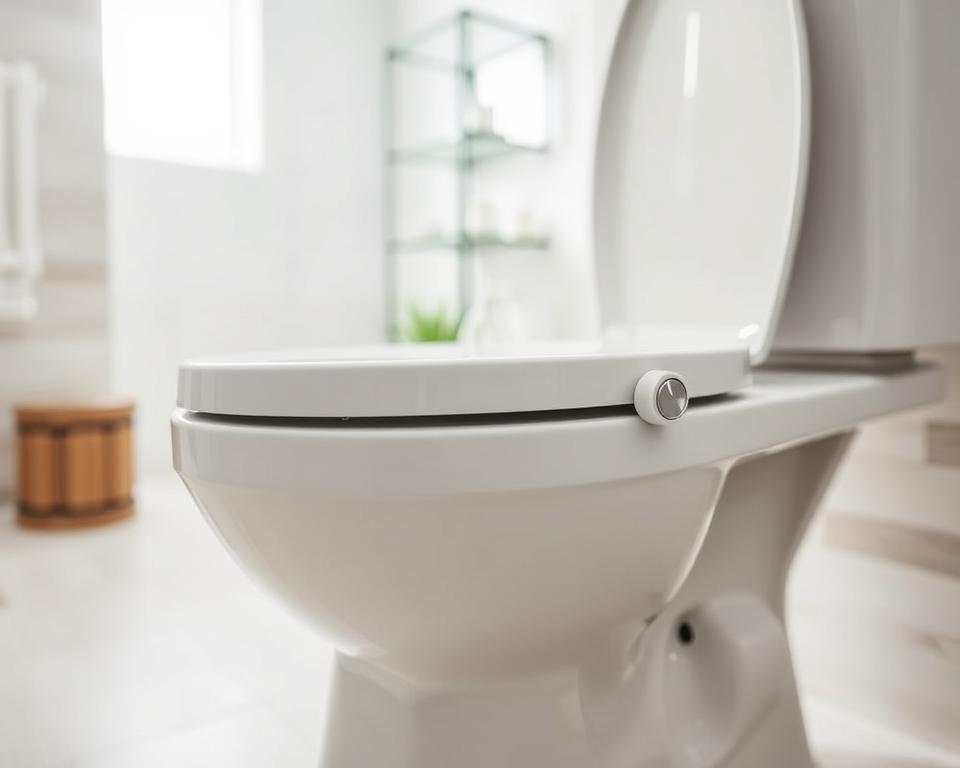
How to Test and Adjust Water Levels
To test the water level, check how well the toilet flushes and adjust as needed. Here’s a simple guide:
- Flush the toilet to see how it performs.
- Check if the water level is at the right height, usually marked on the overflow tube.
- If it’s not right, adjust the float arm or fill valve to change the water level.
- Flush again to make sure the changes improved the toilet’s performance.
| Water Level | Flush Performance | Adjustment Needed |
|---|---|---|
| Too Low | Weak Flush | Increase Water Level |
| Too High | Water Waste | Decrease Water Level |
| Optimal | Efficient Flush | No Adjustment |
Common Issues to Look Out For
When adjusting the water level, watch out for a few common problems. These include:
- Continuous running water due to a faulty fill valve.
- Insufficient flushing power if the water level is too low.
- Water splashing or overflowing if the water level is too high.
By knowing these issues and how to adjust the water level, you can make sure your dual-flush toilet works well. This will help your bathroom’s plumbing upgrade and save water.
Reconnecting the Water Supply
Reconnecting the water supply is key to finishing your dual-flush toilet installation. It makes sure your toilet works well and saves water.
Attaching the Water Supply Line
To begin, attach the water supply line to the fill valve. Use a wrench to secure the connection tightly to avoid leaks. Always check the supply line for damage or wear before attaching it.
Turning the Water Back On
After attaching the water supply line, turn the water supply back on. This is done by turning the valve clockwise. The toilet tank will start filling with water.
Checking for Leaks and Adjustments
After turning on the water, check for leaks. Look at the water supply line and the toilet base for moisture. If you spot a leak, tighten the connections as needed.
| Checklist | Status |
|---|---|
| Water supply line securely attached | Yes/No |
| Leaks around the toilet base | Yes/No |
| Water level adjusted correctly | Yes/No |
By following these steps, you can ensure a successful reconnection of the water supply to your newly upgraded dual-flush toilet. This completes your DIY project and improves your bathroom fixtures.
Testing the Dual-Flush System
After making your toilet eco-friendly, it’s time to check if it works right. Testing the dual-flush system is key to make sure it saves water well.
How to Test the Flush Functionality
First, test both the full and partial flush options. Press the full flush button and watch the water flow. It should clear the bowl well. Then, press the partial flush button. This should use less water but clear the bowl too.
Key steps to test flush functionality:
- Check the full flush: Ensure a strong water flow.
- Check the partial flush: Verify less water is used.
- Repeat both tests several times to confirm consistency.
Ensuring It Operates Smoothly
To make sure the system works well, look for leaks or odd sounds. Check the toilet for water leaks around the base or tank.
Tips for smooth operation:
- Regularly inspect the toilet for leaks.
- Check the flush buttons or handles for proper function.
- Ensure the toilet tank is filling and flushing correctly.
Troubleshooting Common Issues
If you find problems, use the troubleshooting guide. Issues like weak flushing, running water, or wrong water levels are common.
| Issue | Cause | Solution |
|---|---|---|
| Weak Flushing | Clogged rim jets or low water level | Clean the rim jets and adjust the water level |
| Continuous Running Water | Faulty flapper or fill valve | Inspect and replace the flapper or fill valve if necessary |
| Improper Water Level | Incorrect adjustment of the float | Adjust the float to set the correct water level |
By following these steps, you can make sure your dual-flush toilet works well. This helps save water at home.
Maintenance Tips for Dual-Flush Toilets
To keep your dual-flush toilet working well, regular care is essential. It’s important for its long life and efficiency. This is a key part of a successful plumbing upgrade.
Regular Cleaning and Upkeep
Cleaning your toilet often is key to stop mineral buildup and debris. Clean the bowl, seat, and lid with a mild detergent. Use a soft brush to clean the dual-flush mechanism’s valve and tube.
“A clean toilet is not just about looks; it keeps your DIY project working right,” a plumbing expert notes. Regular care means your dual-flush toilet saves water and cuts your bills.
Seasonal Checks and Balances
Seasonal checks can spot problems early. Check the tank’s water level and the flush mechanism for wear. Adjusting the chain or rod can fix flushing issues.
- Look for leaks around the base and tank.
- Check the flapper and seal’s condition.
- Make sure the dual-flush works right.
Knowing When to Replace Components
Some parts of your dual-flush toilet will need replacing over time. A leak or poor flushing means it’s time for a new flapper or valve. When upgrading bathroom fixtures, choose quality for long-term benefits.
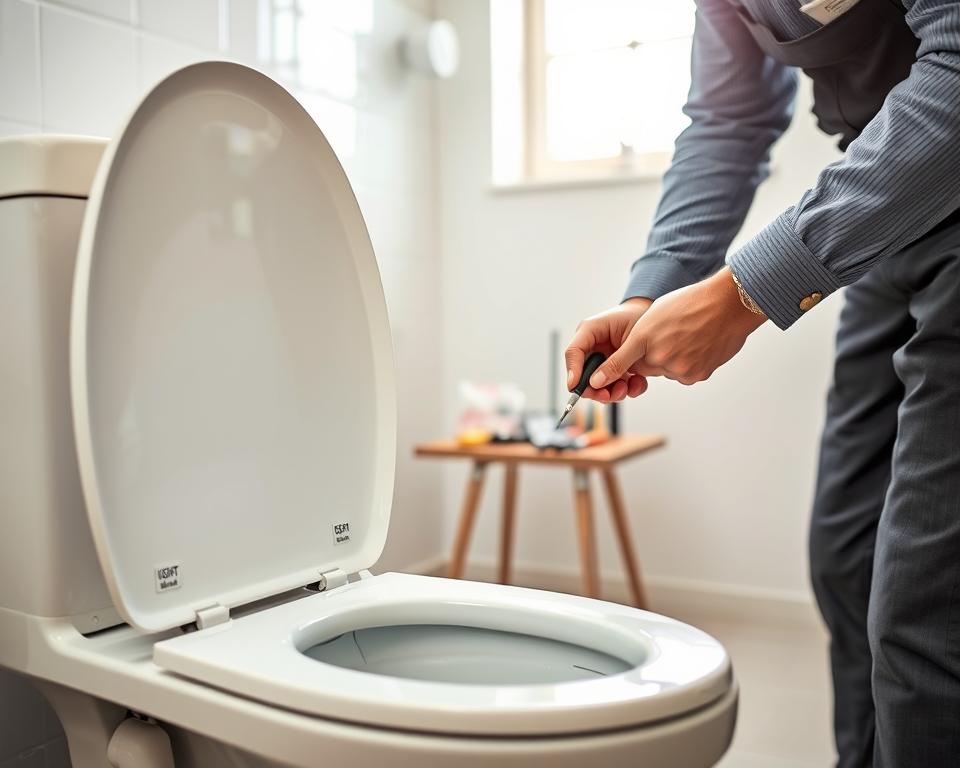
Replacing old parts boosts efficiency and extends your toilet’s life. Watch for signs like constant running water or weak flushes. This is part of your upkeep routine.
Environmental Benefits of Dual-Flush Toilets
Switching to a dual-flush toilet is a great way to save water at home. It not only cuts down on water use but also supports a greener lifestyle.
Dual-flush toilets come with water-saving technology. They let you choose between a full or partial flush. This means less water is used per flush than old toilets.
Saving Water in Your Home
Getting a dual-flush toilet is a smart move for a greener home. They use much less water for liquid waste. This helps save a valuable resource.
Here’s how water usage compares between old and new toilets:
| Toilet Type | Water Usage per Flush | Total Water Usage per Day |
|---|---|---|
| Traditional Toilet | 1.6 gallons | 6.4 gallons (assuming 4 flushes) |
| Dual-Flush Toilet | 0.8/1.6 gallons | 3.2 gallons (assuming 4 flushes with 3 partial) |
Impact on Water Bills
Less water use means lower water bills for homes. The exact savings depend on household size and flushing habits.
A family of four could save up to 30% on water bills with a dual-flush toilet. This saves money and supports eco-friendly toilet modification.
Contributing to Sustainable Living
Every small change helps in living sustainably. Choosing a dual-flush toilet is a big step towards saving water.
This simple change is a step towards a greener future. It supports water-saving technology and lessens our environmental impact.
Comparing Traditional and Dual-Flush Toilets
When I thought about updating my bathroom, I looked closely at traditional and dual-flush toilets. This comparison helped me see the key differences in design and function. It also helped me think about the good and bad points of each.
Key Differences in Design and Function
Traditional toilets use one flush that always uses the same amount of water, usually between 1.6 and 3.5 gallons. Dual-flush toilets have two options: a small flush for liquids and a bigger flush for solids. This makes a big difference in how much water they use.
Dual-flush toilets have a more complex system for flushing. They have a two-button system or a handle that works differently for each flush. Traditional toilets are simpler, with just one button or handle.
Pros and Cons of Each System
Traditional toilets are easy to find parts for and are simple. But, they use more water than dual-flush toilets. Dual-flush toilets save water, which can lower your bills and help the planet. But, they cost more to buy and might need more work to keep them running well.
- Pros of Dual-Flush Toilets:
- Save water
- Lower water bills
- Good for the environment
- Cons of Dual-Flush Toilets:
- Cost more to buy
- Need more upkeep
Which One is Right for You?
Choosing between traditional and dual-flush toilets depends on your budget, how much you care about saving water, and what you like. If you want to upgrade your bathroom and save water, a dual-flush toilet is a good choice. But, if you want something simple and don’t want to spend a lot, a traditional toilet might be better.
Make your choice after thinking about what you need and what each toilet offers. Knowing the good and bad points and the differences will help you pick the right one for your bathroom.
Conclusion: Enjoying Your Updated Toilet
Upgrading to a dual-flush toilet has been a rewarding DIY project. I’m excited to share my experience with you. By following this installation guide, you’ve taken the first step towards embracing water-saving technology in your home.
My Upgrade Journey
Reflecting on my upgrade experience, I realized installing a dual-flush system was simpler than I thought. The key was carefully following the manufacturer’s instructions. Also, taking the time to adjust the water level settings was important.
Embracing Water Conservation
As you enjoy your updated toilet, remember every small change counts in our journey towards sustainable living. By adopting water-saving technologies like dual-flush toilets, we can make a significant impact. This reduces our water consumption.
Encouraging Others
If you’re considering upgrading your toilet, I encourage you to take the plunge. Not only will you be reducing your water bills, but you’ll also be contributing to a more environmentally friendly lifestyle.