


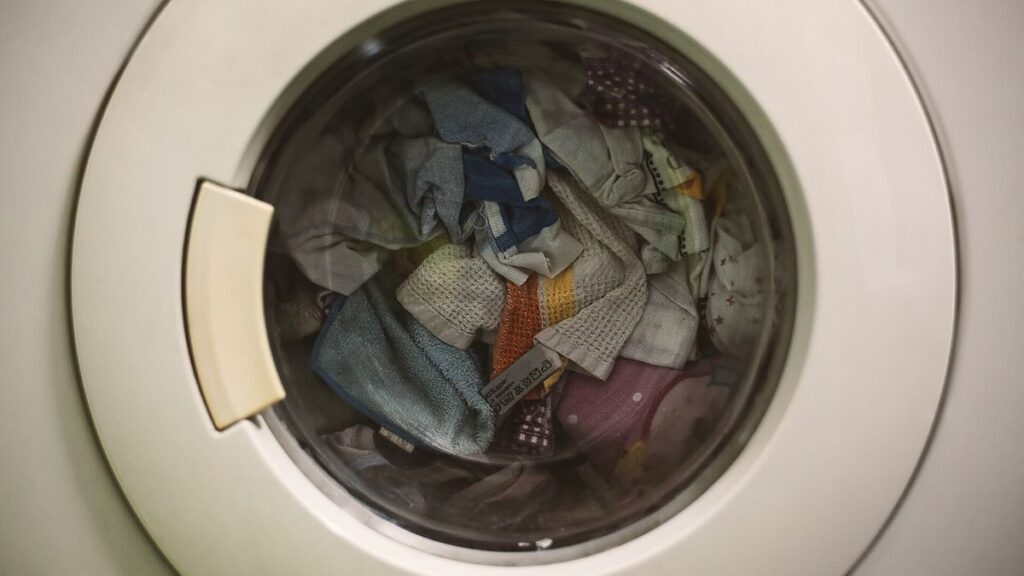
A washing machine is supposed to make things clean, so it is easy to forget that the machine itself gets dirty. Detergent residue, fabric softener, lint, hair and hard-water minerals build up in places you never see. Over time that buildup can cause a musty smell, gray streaks on light clothes and a drum that never quite feels fresh.
The good news is that you do not need harsh specialty cleaners to fix it. In this guide you will learn why washers get smelly, which simple ingredients do the job, how to clean front-loaders and top-loaders step by step, and which small habits keep the machine fresh between deep cleans.
Why washing machines start to smell
Most washer odors come from the same mix: moisture, warmth and leftover organic material. When that combination sits in a dark space, mildew and bacteria have everything they need.
The most common causes are:
- Too much detergent or fabric softener. Extra product does not rinse away completely. It forms a sticky film that traps lint and dirt.
- Mostly cold or quick cycles. Short, cool washes are great for saving energy, but they rarely dissolve the film that slowly builds up inside the machine.
- A closed door after every wash. Trapped humidity lets mildew grow, especially in front-loaders.
- Wet clothes left in the drum. A load forgotten for a few hours starts to smell, and so does the machine.
- A clogged drain pump filter. Lint, coins and hair collect there and hold stagnant water.
If you notice a sour smell, dark spots on the rubber door seal, or residue in the detergent drawer, it is time for a deep clean.
What you need (and what to avoid)
A natural cleaning routine relies on a few low-cost basics you probably already have:
- Plain white vinegar
- Baking soda
- An old toothbrush and a soft microfiber cloth
- A small bowl or shallow tray and an old towel
- Mild dish soap for greasy spots
Check your manual first. Some manufacturers recommend a specific cleaning cycle or advise against certain products on rubber seals and gaskets. If your manual says to avoid vinegar, use hot water, baking soda and a little dish soap instead. Following the manual protects your warranty and the machine.
Never mix vinegar with chlorine bleach. The combination releases toxic chlorine gas. If you have used bleach recently, run a rinse cycle with plain water before using vinegar, and keep the room ventilated.
Vinegar and baking soda also neutralize each other when mixed directly, so it works better to use them in separate cycles rather than pouring them in together.
How to clean a front-loading washer
Front-loaders use less water, which is great for resource efficiency, but their airtight door seal is the number one spot for mildew.
1. Clean the door seal
Pull back the folds of the rubber gasket and look inside. Wipe out hair, lint and any slimy residue with a cloth dampened in warm water and a drop of dish soap. For dark spots, dip a toothbrush in a paste of baking soda and water and scrub gently. Wipe again with a clean damp cloth and dry the folds well.
2. Clean the detergent drawer
Most drawers pull out completely when you press a release tab. Soak the drawer in warm water for 15 to 20 minutes, then scrub the corners with the toothbrush. Before sliding it back, clean the cavity where the drawer sits, since mold often hides on its ceiling.
3. Run a hot cleaning cycle
With the drum empty, pour about two cups of white vinegar into the drum, or use the “drum clean” or “tub clean” program if your machine has one. Run the hottest cycle your manual allows. The heat and acidity help loosen detergent film and mineral deposits.
4. Run a second cycle with baking soda
Sprinkle about half a cup of baking soda into the empty drum and run a short hot cycle. This helps lift remaining residue and neutralize lingering odors.
5. Empty the drain pump filter
Find the small access panel, usually at the bottom front of the machine. Place a towel and a shallow tray underneath, because some water will come out. Unscrew the filter slowly, let the water drain, then remove lint, hair and any small objects. Rinse the filter under the tap and screw it back firmly. Your manual will show the exact location and steps for your model.
How to clean a top-loading washer
Top-loaders have less trouble with door seals, but residue collects under the rim, around the agitator and in the dispensers.
1. Wipe the lid, rim and dispensers
Use a cloth with warm soapy water to wipe the underside of the lid and the rim of the tub. Remove the fabric softener and bleach dispensers if they come out, and scrub them with the toothbrush.
2. Do a hot soak
Set the machine to the largest load size and the hottest water setting. Let the tub fill, add about two to three cups of white vinegar, and let it agitate for a minute. Then pause the cycle and let the water sit for about an hour. The soak gives the vinegar time to work on deposits that a normal cycle would miss.
3. Scrub while it soaks
While the water sits, dip your cloth into the tub and wipe the upper part of the drum and the agitator, the areas above the waterline that rarely get rinsed well.
4. Finish the cycle and rinse
Resume the cycle and let it drain. Then run one more hot cycle with half a cup of baking soda to remove any remaining residue and smell.
If your top-loader is a high-efficiency model without an agitator, skip the pause and follow the manual’s cleaning program, as some models do not allow the cycle to be paused for long.
Daily habits that keep your washer fresh
A deep clean every month or two works best when it is backed by small everyday habits. These take seconds but make a real difference:
- Use less detergent. Measure according to the label and the load size, not by eye. High-efficiency machines need HE detergent and usually less of it.
- Cut back on liquid fabric softener. It is a major source of sticky buildup. Many people find that a half cup of white vinegar in the softener compartment, or wool dryer balls in the dryer, works well instead. Do not use vinegar this way if your manual advises against it.
- Leave the door and drawer open. After the last wash of the day, leave the door and detergent drawer slightly open so moisture can escape. Keep pets and small children in mind if you do this.
- Unload right away. Take wet clothes out as soon as the cycle ends.
- Wipe the seal after heavy use. A quick dry wipe of the gasket on laundry day prevents most mildew.
- Shake out pockets. Coins, tissues and hair ties end up in the filter or under the drum.
A simple cleaning schedule
To make it automatic, link each task to a time of the month:
- After every laundry day: leave the door open, wipe the gasket dry.
- Every two weeks: wipe the detergent drawer and dispensers.
- Every month: run a hot cleaning cycle with vinegar or the machine’s cleaning program.
- Every two to three months: check and clean the drain pump filter, or sooner if the machine drains slowly.
Write the dates on a sticky note inside a cabinet door or set a recurring reminder on your phone. Once it becomes routine, the whole process takes less than an hour a month.
Summary
Washing machines smell when moisture, warmth and leftover detergent or softener come together. You can fix it with simple, low-waste ingredients: hot water, white vinegar, baking soda and a little scrubbing. Clean the door seal, the detergent drawer and the drain filter, run a hot vinegar cycle and then a baking soda cycle, and always follow your manual if it recommends a different method. Never mix vinegar with bleach. Most importantly, keep the machine fresh with small habits: less detergent, less softener, an open door between washes and clothes taken out right away. A clean washer means fresher laundry, fewer rewashes, and less water and energy spent fixing smells that should never have been there.
Photo: Washing Machine Details – Flickr – dejankrsmanovic, by Dejan Krsmanovic, license CC BY 2.0, via Wikimedia Commons. Cropped.