

Did you know that vampire energy can use up to 10% of your home’s electricity? This happens when devices keep using power even when they’re turned off. As a homeowner, you might be surprised to learn how much this can cost you and waste energy.
But don’t worry, there are practical steps to cut down on vampire power. By following a few energy-saving tips, you can help the planet and lower your bills.
Key Takeaways
- Identify devices that consume standby power
- Use smart plugs to control individual outlets
- Unplug devices after use to stop standby consumption
- Replace old devices with ENERGY STAR appliances
- Utilize power strips to disconnect multiple devices at once
Understanding Vampire Power Consumption
Many of us don’t know about the energy lost when devices are off but plugged in. This is called vampire power. It affects our money and the planet.
What is Vampire Power?
Vampire power, or standby power, is energy used by devices when they’re off but plugged in. This includes TVs, computers, and chargers. These devices use power even when not in use, wasting energy.
Common Devices That Cause Vampire Power
Many household items cause vampire power. Some common ones are:
- Televisions and their peripherals
- Computers and laptops when not in use
- Phone chargers and other small appliance chargers
- Gaming consoles
- Kitchen appliances with digital displays
These devices waste a lot of energy when left plugged in.
“The simplest way to save energy is to eliminate the unnecessary use of it.”
Why It Matters for Your Wallet and Environment
Vampire power affects us in two ways. It raises our electricity bills because of unnecessary power use. By stopping idle power use, we can save a lot on our energy bills each year. It also helps the environment by reducing our carbon footprint. Experts say using power saving strategies like unplugging devices or smart plugs can cut down energy waste.
Understanding and fighting vampire power is a simple way to make our homes more energy-efficient. By watching our energy use and using strategies to reduce phantom energy drain, we help the planet.
Identifying Your Energy Vampires
Finding out which devices waste energy is the first step to saving power. Knowing what causes energy waste at home helps us live more efficiently.
Tools for Measuring Energy Consumption
To spot energy vampires, we need the right tools. Smart plugs and energy monitors are great for tracking energy use. They show us which devices use the most power.
Smart plugs work with many devices, like TVs and coffee makers. They help us see how much energy they use. Brands like TP-Link and Belkin are popular. Energy monitors give a full picture of our home’s energy use, with detailed reports.
“The biggest energy savings come from understanding and managing the energy usage of our devices.” – Energy Efficiency Expert
Signs You Have Energy Hogs at Home
There are clear signs of energy vampires at home. A high electricity bill without using much is a warning. Also, if devices or chargers are warm when off, they’re using power.
- Devices that continue to draw power when turned off
- High electricity bills without a clear reason
- Warm or buzzing devices when not in use
By knowing these signs and using the right tools, we can control our energy use. This makes our homes more energy-efficient.
Simple Changes to Reduce Energy Waste
Making a few simple changes can greatly reduce energy waste. By using easy strategies, homes can cut their energy bills and help the planet.
One good way to reduce electricity wastage is to manage how devices are powered. Many devices use power even when turned off but plugged in. This can be easily stopped.
Plug Devices into Power Strips
Plugging devices into power strips is a simple yet effective way to stop standby power use. By turning off the power strip, you can stop devices from using extra energy.
- Find devices that are often left on standby, like TVs and computer peripherals.
- Plug these devices into power strips.
- Turn off the power strip when devices are not in use.
Utilize Smart Plugs for Better Control
Smart plugs offer a more convenient option. They let you control device power use from your phone or with voice commands through smart home systems.
Using smart plugs can help you:
- Schedule devices to turn on and off at specific times.
- Check energy use for each device.
- Turn off devices remotely if you forget to before leaving.
By making these simple changes, you can greatly reduce electricity wastage and see lower energy bills. These steps save money and make your home more energy-efficient.
Energy-Efficient Alternatives
Choosing energy-efficient options helps our planet and saves money. Start by looking at your lighting and appliances.
LED Light Bulbs vs. Traditional Bulbs
LED bulbs are a great choice over old bulbs. They use less energy and last longer. Here’s why:
- Energy Efficiency: LEDs use up to 90% less energy than traditional bulbs.
- Longer Lifespan: LEDs can last up to 25 times longer than incandescent bulbs.
- Durability: LEDs are more resistant to shock and vibration.
Switching five bulbs to LEDs can cut your yearly energy bill by $75.
Smart Appliances: Worth the Investment?
Smart appliances are another smart choice. They help cut down on energy waste. You can control them from afar and they use energy wisely.
Smart appliances offer:
- Remote Control: Turn off devices from anywhere to save energy.
- Energy Monitoring: See how much energy you use to make better choices.
- Automated Schedules: Run appliances when energy is cheaper.
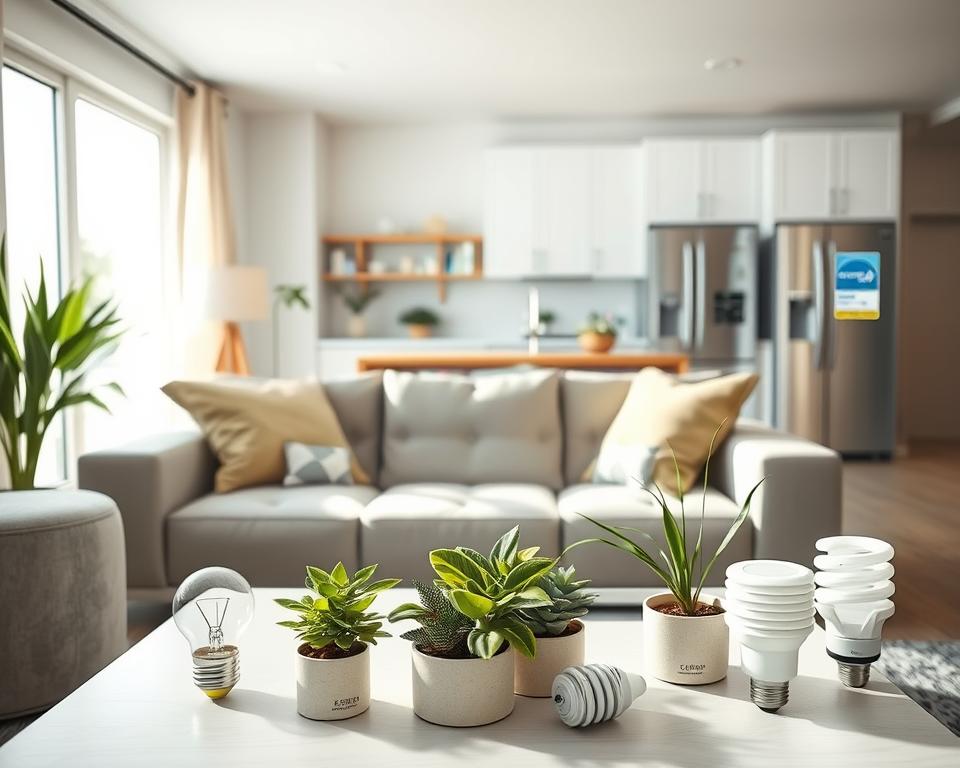
In summary, using LED bulbs and smart appliances cuts down on energy waste. These simple steps lower your bills and help the planet.
Tips for Unplugging and Storing Devices
One of the easiest ways to save energy is by making it a habit to unplug devices when they’re not being used. This simple action can significantly reduce standby power consumption, also known as vampire power.
Create a Routine to Unplug
To start saving energy, I recommend creating a routine to unplug devices regularly. This can be as simple as unplugging your coffee maker or toaster when not in use. You can also use a timer or a smart plug to automate this process.
- Unplug chargers when not in use to avoid standby power consumption.
- Use a power strip to easily switch off multiple devices at once.
- Make it a habit to unplug devices before bedtime or when leaving the house.
Best Practices for Storage During Downtime
Proper storage of devices during periods of downtime is key to minimizing energy waste. Here are some best practices to follow:
- Store devices in a cool, dry place to prolong their lifespan.
- Clean devices before storing them to prevent dust buildup.
- Consider using a storage box or container to keep cords and devices organized.
By adopting these habits, you can significantly reduce your overall energy consumption. Here’s a comparison of energy consumption before and after implementing these strategies:
| Device | Average Monthly Consumption (Before) | Average Monthly Consumption (After) |
|---|---|---|
| Coffee Maker | 5 kWh | 0.5 kWh |
| Toaster | 3 kWh | 0.2 kWh |
| TV | 10 kWh | 2 kWh |
By implementing these simple strategies, you can make a significant impact on reducing energy waste and promoting a more sustainable lifestyle.
The Role of Home Automation
Smart home systems can greatly reduce vampire power and make your home more energy-efficient. They let you control and check on your devices from anywhere. This ensures they don’t use power when not needed.
Smart Home Systems That Help Reduce Vampire Power
Many smart home systems aim to cut down energy waste. These include:
- Smart plugs that can be controlled via an app to turn devices on or off.
- Smart power strips that can detect when a device is in standby mode and cut off power.
- Home automation hubs that integrate with various smart devices to optimize energy usage.
Smart plugs are very helpful. They can be set to turn off devices when not in use, saving power. For example, you can make your TV turn off when you leave or go to bed.
Automation for Energy Savings: How It Works
Automation for energy savings uses smart tech to better your home’s energy use. Here’s how it works:
- Your smart home system watches your energy use in real-time.
- It finds devices using power when they shouldn’t.
- It turns off or adjusts these devices based on your schedule and preferences.
Your smart thermostat can learn your habits to adjust the temperature. This saves energy when you’re out or asleep. It also makes your home more comfortable.
By using home automation, you can make your home more energy-efficient. It’s easy and helps the environment while saving you money on bills.
Maintaining Your Devices for Efficiency
Keeping your devices in top shape is key to saving energy and making them last longer. This helps cut down your energy costs and helps the planet too.
Regular Cleaning of Electronics
Dust and dirt can make your devices work less well and use more energy. Cleaning them often is a must. Use a soft, dry cloth to clean, and stay away from harsh chemicals that could harm them.
Tips for Effective Cleaning:
- Unplug devices before cleaning to avoid any accidental start-ups or electrical shocks.
- Use compressed air to gently remove dust from vents and crevices.
- For more thorough cleaning, refer to the manufacturer’s guidelines to avoid damaging your devices.
Updating Firmware and Software
It’s important to keep your devices’ software and firmware current. Updates from the makers can make your devices work better, fix problems, and save energy.
Benefits of Updates:
- Improved device performance and efficiency.
- Enhanced security features to protect your devices from possible threats.
- Access to the latest energy-saving technologies.
| Device Type | Update Frequency | Benefits of Update |
|---|---|---|
| Smartphones | Monthly | Security patches, performance improvements |
| Smart Home Devices | Quarterly | Energy efficiency improvements, new features |
| Computers | As needed | Performance enhancements, bug fixes |
By cleaning and updating your devices regularly, you help them work better. This saves energy and cuts down your bills.
Educating Your Household
Talking to my family about saving energy is key to cutting down on vampire power. By teaching them simple steps, we can all help reduce waste.
Discussing Energy Awareness with Family
First, I need to talk openly with my family about turning off devices when not used. It’s vital to show how simple actions like unplugging chargers and lights can help a lot.
Sharing energy-saving tips and showing how to avoid phantom energy can inspire my family. We can find ways to be more careful with our energy use.
Setting Energy-Saving Goals Together
Setting goals for saving energy can motivate us all to work together. We can pick areas to improve and set achievable targets.
- Create a list of energy-wasting devices
- Set a timeline to reduce energy consumption
- Monitor progress together
By teaming up and making a few changes, we can see big improvements in saving energy.

Utilizing Local Resources for Energy Savings
Using local resources helps me understand how to save energy. Local governments and utility companies offer programs to cut down energy use.
An energy audit is a great tool. It shows where my home is wasting energy. A pro checks my insulation, windows, and heating and cooling systems.
Energy Audits: What to Expect
An energy audit checks how well my home uses energy. The auditor looks for air leaks and checks insulation.
- Inspection of heating and cooling systems
- Checking for air leaks and insulation levels
- Review of energy bills and usage patterns
After the audit, I get a report with tips for saving energy. It suggests upgrades and changes.
Programs and Rebates in Your Area
Local governments and utility companies have programs and rebates for saving energy. They offer incentives for energy-efficient appliances, smart home systems, and better insulation.
| Program | Description | Rebate Amount |
|---|---|---|
| Energy-Efficient Appliance Rebate | Rebate for purchasing energy-efficient appliances | $50-$100 |
| Smart Home Upgrade Program | Incentives for upgrading to smart home systems | $200-$500 |
| Home Insulation Upgrade Rebate | Rebate for improving home insulation | $100-$300 |
To get these rebates, I can check my utility company’s website or call their customer service.
By using local resources like energy audits and programs, I can make smart choices. This helps me save a lot of energy.
The Long-Term Benefits of Reducing Vampire Power
By using the tips from this article, you can cut down on electricity waste. This means less idle power use and lower energy bills. It’s just the start of the savings.
Savings and Sustainability
Lowering vampire power helps save money and the planet. It cuts down on energy waste, reducing our carbon footprint. This protects our environment.
Adopting these changes will benefit your wallet and the planet. Every little bit helps. By managing your energy use, you’re helping fight climate change.
Begin making a difference now with these simple tips. Enjoy a more energy-efficient life and its benefits.