

I was shocked to find out how much of my energy bills were going to waste. It was all because of air leaks around my doors and windows. By doing it myself, I saved money and made my home more energy-efficient.
Weatherstripping is a simple and affordable way to keep heat in. I discovered that with a few basic materials and some easy steps, I could get great results without spending a lot.
Weatherstripping my doors and windows not only cut down on energy use. It also made my home more comfortable. In this article, I’ll share my experience and guide you on how to do it without spending a lot.
Key Takeaways
- Weatherstripping is a cost-effective way to improve energy efficiency.
- A DIY approach can save you money compared to hiring a professional.
- Sealing gaps around doors and windows can improve home comfort.
- Basic materials are required for a successful weatherstripping project.
- Following simple steps can lead to professional-looking results.
Why Weatherstripping Is Important for Your Home
Weatherstripping is a simple yet effective way to make your home more energy-efficient and comfortable. It seals gaps around doors and windows. This prevents air leaks that cause heat loss in winter and heat gain in summer.
The Benefits of Weatherstripping
Weatherstripping has many benefits, including saving energy and making your home more comfortable. By weatherstripping doors and windows, you can cut down on drafts. This keeps your home at a steady temperature.
This DIY project also reduces noise pollution. It seals gaps that let outside noise into your home.
How It Saves You Money
One big advantage of weatherstripping is saving money on utility bills. It reduces air leaks, which lowers heating and cooling costs. This can lead to big savings over time.
For more info on weatherstrip installation, check out the U.S. Department of Energy’s website. They offer detailed guidance on this topic.
Environmental Impact
Weatherstripping also benefits the environment. It reduces energy use, which lowers your carbon footprint. This helps make the future more sustainable.
As a homeowner, weatherstripping is a big step towards energy efficiency. It can make a big difference when combined with other energy-saving practices.
Tools and Materials Needed on a Budget
Weatherstripping on a budget is doable with the right tools and materials. I found that having the right tools made the job easier and saved money. It ensured a professional finish without the high cost.
Basic Tools I Used
You’ll need some basic tools for weatherstripping. You might already have these at home. These include:
- A utility knife or scissors for cutting the weatherstripping material to size
- A measuring tape to measure the doors and windows accurately
- A screwdriver or drill for removing old weatherstripping or installing new types that require screws
- A cleaning cloth to wipe down the surfaces before applying the weatherstripping
Having these tools ready makes the job smoother and faster. As “a stitch in time saves nine,” being prepared saves time and frustration.
Affordable Weatherstripping Materials
There are many affordable weatherstripping materials. Some of the most cost-effective types include:
- Foam tape weatherstripping, which is easy to apply and suitable for most doors and windows
- Rubber or vinyl weatherstripping, which is durable and can withstand various weather conditions
- Felt weatherstripping, a simple and inexpensive option, though less durable than other types
As a budget-conscious homeowner, I mixed these materials for a tight seal without spending too much. “The best things in life are free, or so the saying goes, but good weatherstripping doesn’t have to be expensive either.”
Where to Find Budget-Friendly Supplies
Finding affordable supplies is easier than you think. Here are a few tips:
- Check local hardware stores for discounts or sales on weatherstripping materials
- Shop online at retailers that offer competitive pricing and customer reviews to help you make informed decisions
- Consider reusing or repurposing materials you already have at home, like old foam or felt scraps
By being resourceful and comparing prices, you can find what you need at a lower cost. As the saying goes,
“A penny saved is a penny earned.”
This approach not only saves money but also makes your home improvement project more sustainable.
Assessing Your Doors and Windows
To weatherstrip your home well, start by finding the drafty spots around doors and windows. This is key because it shows you where air leaks. Then, you can fix these issues.
How to Identify Drafty Areas
Spotting drafty spots is easy. Just hold your hand near doors and windows on a windy day. You’ll feel air leaks. Or, use a lit candle or incense stick. If the flame dances or smoke moves, air is passing through.
Look closely at the door and window frames. These spots often have gaps. Also, check for signs of wear, like damaged seals or rotting wood.
Conducting a Simple Test for Gaps
The dollar bill test is a simple way to find gaps. Place a dollar bill between a door or window and press it in. If it comes out easily, there’s a gap. Try this around all edges to find where you need weatherstripping.
Keeping Track of Areas to Weatherstrip
After finding the drafty spots, make a list of where to apply weatherstripping. This keeps your project organized. You can also mark spots with tape or a marker to avoid missing any.
Being detailed in your assessment will make your weatherstripping project successful. It seals leaks and saves energy.
Choosing the Right Type of Weatherstripping
It’s important to know the different types of weatherstripping. This helps you make the best choice for your doors and windows. Each type has its own benefits and drawbacks.
Overview of Different Types Available
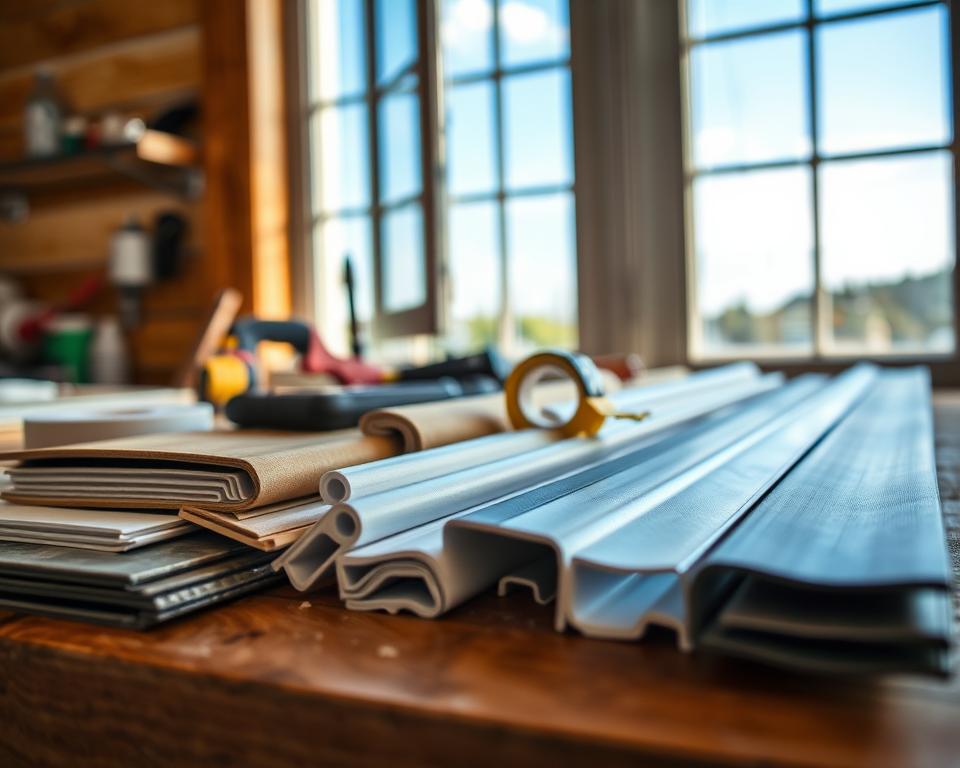
There are many types of weatherstripping, each with its own features. You can choose from foam tape, felt, vinyl, and metal. Foam tape is easy to use and works well. Felt weatherstripping is also an option, but it’s not as long-lasting.
Pros and Cons of Each Type
Let’s look at the good and bad of each type. This will help you pick the right one for you.
| Type | Pros | Cons |
|---|---|---|
| Foam Tape | Easy to install, effective | May not be durable in extreme temperatures |
| Felt | Inexpensive, simple to use | Less durable, can be messy |
| Vinyl | Durable, resistant to weather | Can be more expensive |
| Metal | Long-lasting, effective | Can be difficult to install |
My Personal Preference
I usually go with vinyl weatherstripping. It’s durable and easy to put up. But, the best choice for you depends on your needs and what you like.
Think about the door or window type, your climate, and your budget when picking weatherstripping. The right choice will keep your place weather-tight for a long time.
Preparing Your Doors and Windows
Getting your doors and windows ready for weatherstripping is key. It makes sure the weatherstripping sticks well and works right.
Cleaning the Area for Better Adhesion
Clean the spots where you’ll put the weatherstripping first. Dirt, grime, and old adhesive can stop it from sticking. Use a mild soap and water to clean, and dry it well before you start.
Cleaning helps the weatherstripping stick better and shows any gaps or damage. This is important for a good job.
Removing Old Weatherstripping
Take off any old weatherstripping before putting on new. Old weatherstripping can be hard to remove, but the right tools make it easier. Use a putty knife or similar tool to scrape it off gently, without harming the surface.
After removing the old weatherstripping, check for any leftover adhesive or debris. Clean it well to make sure the new weatherstripping has a smooth place to stick.
Measuring for Accuracy
Getting the measurements right is very important. Measure the gaps around your doors and windows to figure out how much weatherstripping you need. Use a tape measure for accurate numbers, and add a bit extra for any cuts or odd shapes.
Checking your measurements carefully can save you time and money. It’s better to have a little extra weatherstripping than not enough.
Installing Weatherstripping on Doors
Installing weatherstripping on doors is a simple DIY project. It can make your home more energy efficient. Sealing gaps around doors helps keep your home warm in winter and cool in summer.
Step-by-Step Process for Door Installation
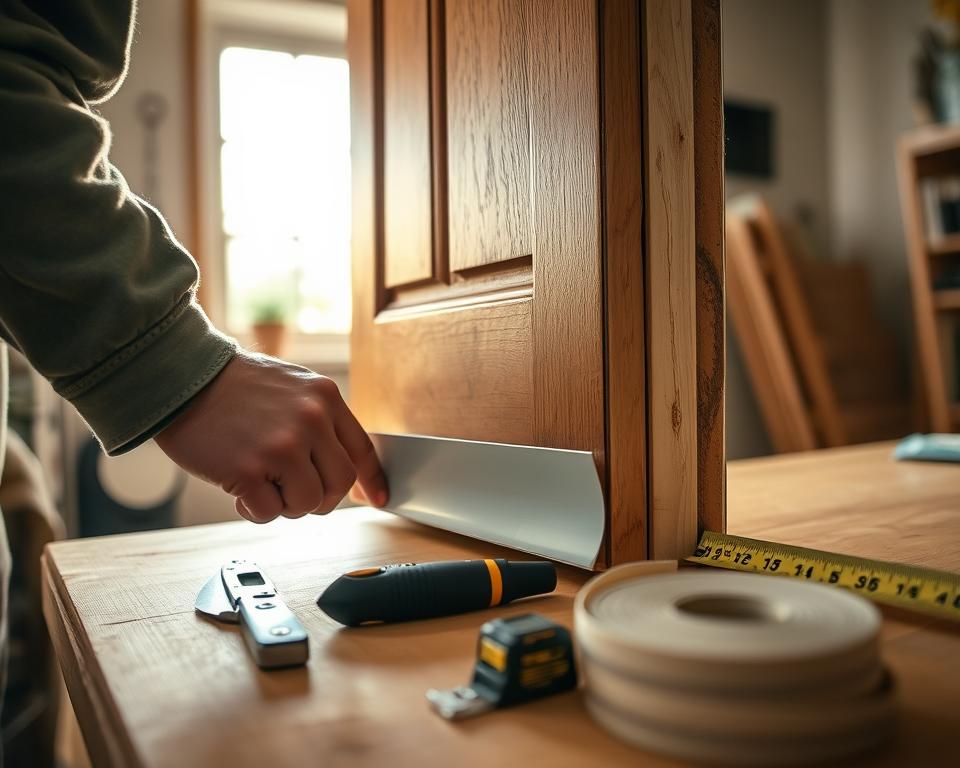
To install weatherstripping on your doors, follow these steps:
- Measure the door gaps: Use a ruler or tape measure to find the size of the gaps around your doors.
- Choose the right weatherstripping: Pick a weatherstripping that fits your door type and gap size.
- Clean the area: Make sure the door frame and area around it are clean and dry for better adhesion.
- Apply the weatherstripping: Follow the manufacturer’s instructions to apply the weatherstripping around the door frame.
- Test the seal: Close the door and check if the weatherstripping seals the gaps well.
Common Mistakes to Avoid
When installing weatherstripping, avoid common mistakes. These mistakes can make the seal less effective. Some mistakes include:
- Insufficient measurement: Not measuring the gaps correctly can lead to choosing the wrong size of weatherstripping.
- Poor surface preparation: Failing to clean the area before applying weatherstripping can result in a weak seal.
- Incorrect application: Not following the manufacturer’s instructions can lead to improper installation.
Tips for a Secure Fit
To ensure a secure fit, consider these tips:
- Use the right type of weatherstripping: Different types of weatherstripping are designed for specific door types and gaps.
- Apply weatherstripping in the right location: Weatherstripping is usually applied around the door frame. But some types can be applied on the door itself.
- Check the weatherstripping regularly: Regular inspections can help identify wear and tear. This allows you to replace the weatherstripping as needed.
Weatherstripping Windows: A How-To Guide
Weatherstripping windows is key to a cozy home. It seals gaps between the window sashes and the frame. This stops cold air from getting in and warm air from escaping.
Preparing the Window Frames
Before you start, clean the window frames well. Use a gentle cleanser and a soft cloth to avoid damage. Check for any damage or rot and fix it first.
After cleaning and drying, remove any old weatherstripping or debris. This makes the surface ready for the new weatherstripping.
Installing Weatherstripping on Different Window Types
The right weatherstripping depends on your window type. For example, double-hung windows need a different type than casement windows.
- Double-hung windows use flexible foam tape or felt weatherstripping.
- Casement windows need a vinyl or metal strip for sealing.
- Sliding windows use strong adhesive foam tape or kerf weatherstrip.
Sealing Joints for Maximum Efficiency
To get the most out of your weatherstripping, seal the joints well. Use caulk or spray foam to fill gaps or cracks. This stops air leaks and keeps your home warm.
By following these steps and choosing the right materials, you can save on energy bills. Regularly check your weatherstripping to keep it working well.
Maintenance Tips for Longevity
With a bit of care, weatherstripping can last for years. It keeps your home cozy and saves energy. Just remember, a little maintenance goes a long way.
Regular Inspections I Conduct
Checking your weatherstripping regularly is key. Do it at least twice a year, or more in harsh weather. Look for cracks, gaps, or loose spots.
I focus on doors and windows during inspections. These spots get a lot of use and weather. Catching problems early helps avoid bigger issues.
Quick Fixes for Wear and Tear
For small issues, a quick fix can work wonders. Just add more weatherstripping for small gaps. If it’s loose, reattach it.
Also, clean the area around the weatherstripping. This helps it stick better, which is important in dirty spots.
When to Replace Weatherstripping
Weatherstripping will eventually wear out. Its life span depends on the type, quality, and environment. If you see drafts or it looks bad, it’s time for a new one.
I replace mine every 5 to 10 years. But it can vary. Replacing it is a smart move for your home’s energy use.
By following these tips, your weatherstripping will last longer. Regular checks and quick fixes help a lot. Your home will stay cozy and energy-efficient.
Cost-Saving Tips for Future Projects
Looking back at my weatherstripping project, I’m eager to share tips for saving money on future home improvements. These strategies help homeowners reach their goals without breaking the bank.
Budgeting for Home Improvement
First, it’s key to make a realistic budget for any home project. I looked at my finances and decided how much I could spend on materials and tools. It’s important to prioritize needs over wants and manage your money wisely.
Here are some tips for weatherstripping on a budget:
- Look for affordable materials and tools
- Compare prices from different places
- Do the project when things are on sale
DIY vs. Hiring a Professional
Homeowners often wonder if they should DIY or hire a pro for weatherstripping. Hiring someone can mean quality work but costs more. DIY projects, like budget weatherstripping, can save money and be fulfilling.
For simple tasks, DIY is a good choice. But for complex jobs or if you’re not sure, getting a pro might be better.
Utilizing Government Rebates
Many governments offer rebates for energy-saving home improvements, like weatherstripping. I found out I could get a rebate by using energy-efficient materials.
To find out about rebates and how to apply, check SaveOnEnergy.ca. They have great resources and tips on weatherstripping and saving energy.
Real-Life Results from My Weatherstripping Project
Weatherstripping my doors and windows was a game-changer. It made a big difference in my home. I saw improvements in many areas of my life.
Improved Energy Efficiency
One key benefit was better energy use. Sealing gaps around doors and windows helped keep heat in during winter and out in summer. This cut down my energy bills.
- Reduced Heating Costs: My heating system worked less hard, saving money.
- Lower Cooling Bills: In summer, my home stayed cooler, needing less air conditioning.
Comfort of My Living Space
Weatherstripping also made my home more comfortable. No more drafts meant a cozier home, no matter the weather outside.
- My home felt warmer in winter without cold drafts.
- The home’s atmosphere improved, making it a nicer place to be.
Positive Feedback from Family
My family loved the changes too. They noticed the comfort boost and how the home stayed at a better temperature.
- Family Comfort: Everyone felt more at ease at home.
- Overall Satisfaction: They were happy with the project, making our home life better.
Conclusion: Enjoying a Cozy, Energy-Efficient Home
Finishing my DIY weatherstrip project has really changed my home. It’s now more comfortable and saves energy. I put weatherstripping on my doors and windows to stop drafts and save energy.
My Weatherstripping Experience
The steps were easy, and using cheap materials helped my wallet. I found out that installing weatherstrip right is important for good results.
Take the First Step
I suggest you start making your home cozier by checking for gaps in doors and windows. A simple DIY weatherstrip project can make your home more energy-efficient.
Further Resources
For more tips on weatherstripping and home fixes, check out the U.S. Department of Energy or This Old House online.